Before Brandon Bing became a conservation planner, he was already learning what it meant to care for the land.
At an early age, Brandon was involved in the operations of his family ranch in east Texas. Raising cattle, managing the land, and other responsibilities helped him understand the impact he had on future generations. That conservation mindset eventually led him into a career with the NRCS, where he now works as a grazing specialist in Palestine, Texas.
From the Ranch to Conservation Planning
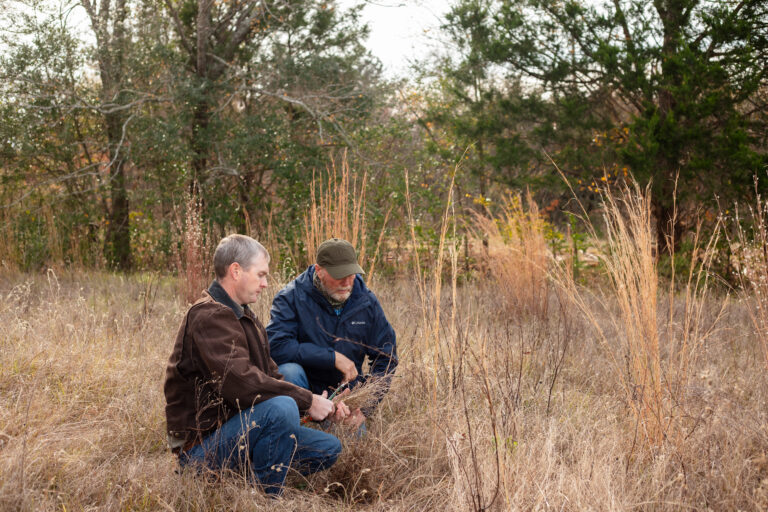
For Brandon, the path to conservation planning seemed natural. Wanting to remain connected to agriculture and livestock producers, he studied animal science at Texas A&M. But his deep roots in the community really shaped who he is as a planner.
“Being from this area helps a lot,” he said. “You already have relationships. You can relate to what producers are doing because you’ve lived it yourself.” Brandon’s shared experiences with other producers created an opportunity to build trust and pursue meaningful conservation work.
“Certification gives you the ability to be a co-creator. You’re sitting across the map with that producer, helping shape their vision for the future.”
Lessons from the 2011 Texas Drought
One of the most pivotal moments in Brandon’s career was the 2011 Texas drought. Pastures were destroyed, livestock perished, and the land was pushed to its limits. Brandon doesn’t just recall the environmental damage; he remembers how different operations created widely different outcomes. “Some producers didn’t experience that drought as heavily,” Brandon recalled. “And it all went back to stewardship.”
He noticed that producers who had implemented conservation practices like grazing management and long-term planning were less affected by the drought. “At the end of the day, you’re not in control of the weather. Control what you can control,” Brandon explained.
In the aftermath of the drought, Brandon began to reshape how he approached his work, prioritizing proactive planning and decision-making that can adapt to any crisis.
The Bigger Picture
As a conservation planner, Brandon understands the importance of looking at the bigger picture. “We have to see the whole forest while still seeing each individual tree,” he said. He focuses on taking complex systems and simplifying them into clear, achievable steps that help producers meet their goals. Whether it’s a grazing system, wildlife habitat, or grassland restoration, a conservation plan becomes a framework, helping landowners make decisions that directly affect the future of their land.
The Importance of Relationships
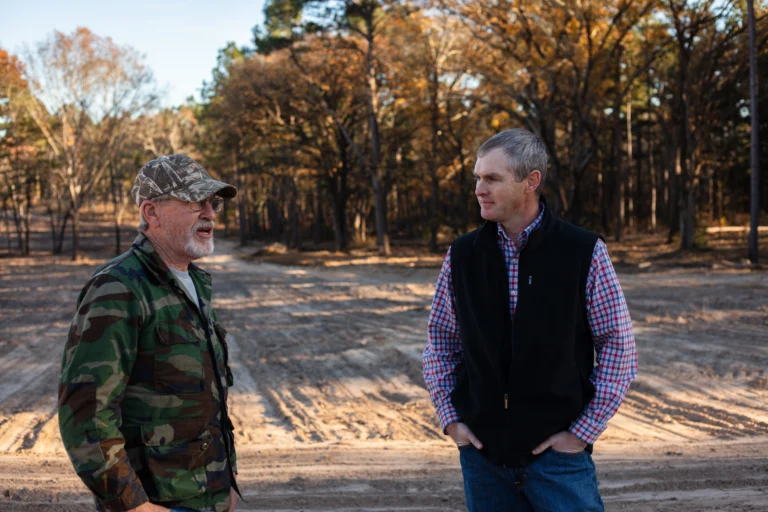
Throughout his work, one theme comes up again and again: relationships. “Without trust, nothing happens,” Brandon explained. “They’re not going to take your advice if they don’t trust you.”
He believes that meaningful conservation starts long before a plan is written. It’s built on effective communication, showing up, and giving as much care to the people as you do to the practices. Sometimes, it’s an in-depth conversation about operations and land conditions. Other times, it’s simply checking in.
“That’s effective communication,” Brandon said. “Showing that you really care about them as people.”
Going Further with Certification
For Brandon, becoming a certified conservation planner was a turning point in his career. Certification gave him the credibility, confidence, and independence to better serve producers. “Certification gives you the ability to be a co-creator,” he explained. “You’re sitting across the map with that producer, helping shape their vision for the future.” With certification, planners can confidently guide producers toward solutions that create real change.
The Future of Conservation Planning
Brandon believes that conservation is ultimately about helping landscapes thrive. “Life begets life,” he said. And along with producers, conservation planners play a vital role in shaping that future. For planners who are pursuing conservation long-term, Brandon encourages them to get certified. By combining technical skills, expertise, trust, and curiosity, certified conservation planners can ensure that the land and its people are stronger for generations to come.
Visit the Conservation Planner Certification page to learn more about getting certified as a conservation planner.