For Kelsi Mottet, conservation planning is personal. A sixth generation Whidbey Islander in Washington state, her family’s history of owning land on the island helped shape her connection to natural resources early on.
That connection ultimately led her back home. After earning two degrees in environmental education, Kelsi joined the Whidbey Island Conservation District, where she grew her role as a Senior Conservation Planner. What began as a passion to serve her community evolved into a long-term career guided by mentorship.
Kelsi’s Early Mentors
Early in her career, Kelsi learned from seasoned conservation planners who believed in her and her work. Several of her mentors were former USDA NRCS district conservationists who had over 40 years of field experience under their belts.
Working alongside these veterans gave Kelsi a rare glimpse into the evolution of conservation practices over generations. They guided her through the multi-layered process of conservation planning, shared invaluable knowledge and advice, and supported her at a time when certification was challenging and training opportunities were limited.
Most importantly, Kelsi’s mentors were simply there for her. “They were just available to me,” she said. “When I didn’t know how to use a tool for the first time, I could call and say, ‘Hey, have you done this?’” That consistent support helped her overcome barriers, grow confidence, and create a network of shared knowledge and collaboration.
Stepping Into Mentorship
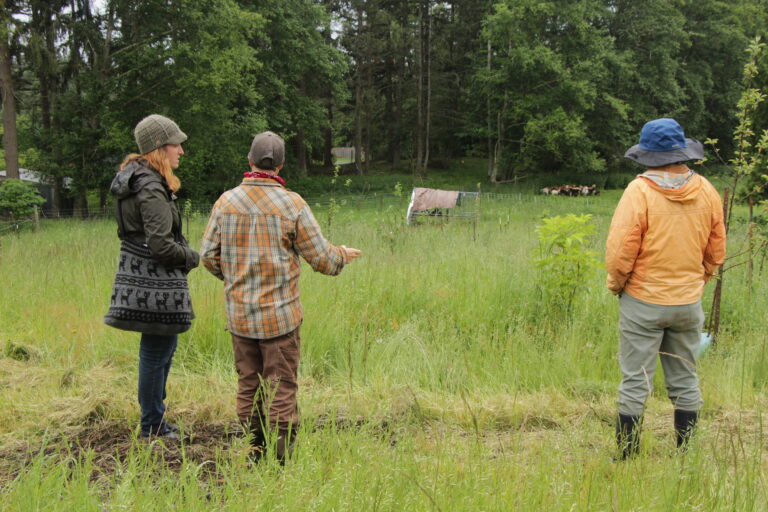
As Kelsi’s mentors slowly retired or left the organization, she found herself in a new role—becoming the mentor.
With years of experience and her certification as a Level 3 Planner, Kelsi became a trusted leader during a difficult transition. “I felt energized by the idea of making new staff better supported than I was during that transition,” she explained.
Today, she helps new planners navigate similar challenges she once faced: completing fieldwork, understanding the training process, and building confidence in their skills. “I try to be the person I needed when I was starting out,” Kelsi said.
Mentorship Still Matters
Kelsi is grateful that certification is much more accessible today than it was when she started. Training systems have improved, classes are easier to find, and state agencies are more coordinated.
But mentorship will always matter. To Kelsi, experienced planners are still the best resource to guide others through the certification process. She sees mentorship as essential to conservation planning and keeping both new planners and seasoned experts from experiencing burnout.
Finding a Mentor
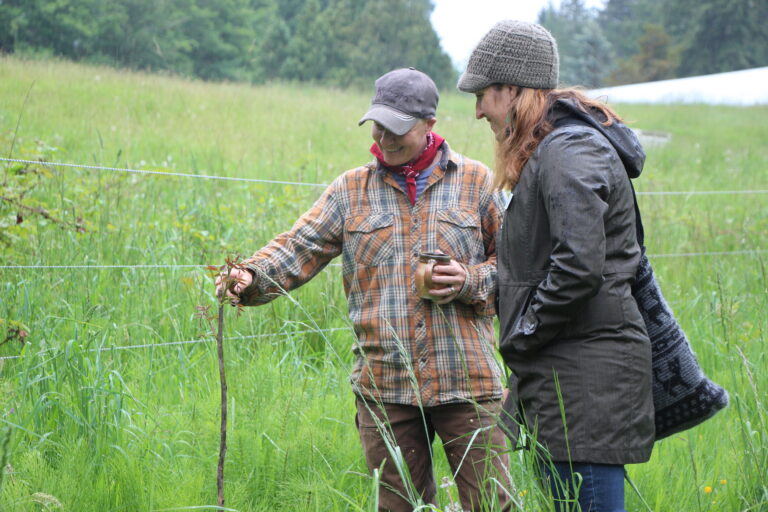
For planners working toward certification, Kelsi encourages them to seek mentorship early. Whether it’s through a supervisor, a peer network, or professional connections, that support doesn’t have to be formal. Sometimes, a quick phone call or simple check-in can reassure new planners that they’re not alone in their journey.
Taking the Next Step
If you’re looking for guidance in your certification journey, having a mentor can make all the difference. If you’re having trouble finding a mentor in your network, you can reach out to NCPP for help.
Read more about Kelsi’s journey to becoming a Level 3 planner.